


moving head lights: a complete guide for modern lighting setups

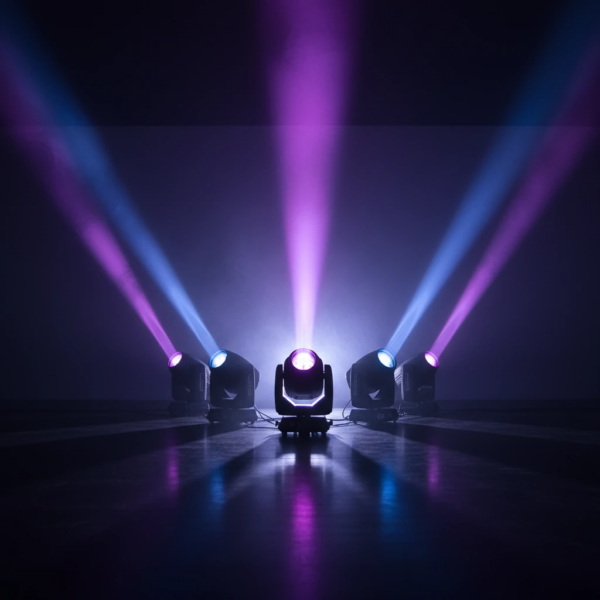
how moving head lights create dynamic lighting effects?
moving head lights have become one of the most versatile and dynamic tools in today’s lighting world. artists, event planners, and creators rely on these lights to produce sweeping motions, sharp beams, and colorful patterns that elevate any performance or gathering. unlike traditional static fixtures, moving head lights rotate smoothly in multiple directions, creating a wide range of visual effects. because of this flexibility, many professionals also refer to them as “intelligent lights”, “automated stage lights”, or “moving beam fixtures”. these synonyms highlight their ability to adjust orientation, brightness, and color instantly.
this device lights offer unmatched movement, power, and precision. by allowing beams to sweep across a room, they add kinetic energy that transforms even simple spaces. for concerts, parties, theaters, weddings, or creative studios, dynamic lighting plays a critical role in shaping atmosphere. in recent years, compact models have opened the door for home users as well. small creators now use these fixtures to improve livestreams, music videos, and photography sessions. pairing head with fog deepens the effect by making beams more visible. devices like the led-500 fog machine and led stage lights with remote work especially well with moving heads because they enhance color saturation and beam clarity.
why moving head lights are essential in modern events?
this device provide more than just illumination. they create movement, texture, and emotion. when beams sweep across a stage or dance floor, they add rhythm that matches the music. when colors shift gradually, they build mood and flow. for this reason, moving head lights are common in clubs, concerts, and performance halls.
another advantage is versatility. moving head lights can operate as wash units, beam units, spot units, or hybrid units depending on design. wash units cover wide areas with soft color, while beam units focus tight rays that cut through fog. hybrid models combine these functions for maximum flexibility.
key features that make lights stand out
choosing high‑quality moving head lights requires understanding a few important features. brightness, beam angle, color mixing, and movement range all influence performance.
color mixing and effects
modern moving head lights often use rgbw or rgbwa color mixing systems, giving users access to rich color palettes. some models include built‑in gobos, which are patterns that create shapes like stars, lines, or textured visuals. color mixing combined with motion allows endless creative combinations.
practical uses for moving head lights
this head lights adapt well to different environments because of their flexibility.
live performances and concerts
bands use moving head lights to mirror tempo and mood. fast sweeps heighten excitement, while slow pans build tension or intimacy. when fog is added, beams appear deeper and more dramatic.
clubs and dance floors
clubs rely heavily on moving head lights because the sweeping beams follow the music. tight rays mixed with haze produce high‑energy visuals that elevate the experience.
table: comparison of lights types
| type | brightness | beam angle | color system | best use case |
|---|---|---|---|---|
| moving head wash light | medium-high | wide | rgb or rgbw | weddings, soft backgrounds |
| moving head beam light | high | narrow | rgbw | clubs, concerts, fog-heavy scenes |
| moving head spot light | high | medium | rgbw with gobos | theaters, photography |
| hybrid moving head light | high | variable | rgbw/rgbwa | multi-purpose events |
combining moving head lights with fog for deeper effects
fog machines help reveal the true power of lights. without fog, beams appear mostly on walls or surfaces. with haze or fog in the air, every beam becomes visible, creating three‑dimensional patterns.
the led-500 fog machine and led stage lights with remote is especially effective because it produces fine particles that capture light evenly. this combination increases contrast, color intensity, and visual depth.
how to set up moving head lights correctly?
placement affects performance. even powerful models can look flat if positioned poorly.
height and angle
mounting lights too low may create harsh shadows. placing them too high reduces beam visibility. balanced height ensures clear movement patterns and strong presence.
avoiding overcrowding
too many beams can overwhelm an environment. spacing moving head lights strategically maintains clarity and visual balance.
using color intentionally
warm tones create comfort and intimacy, while cool tones feel modern and energetic. alternating these tones builds dynamic transitions during events.
final thoughts on moving head lights
moving head lights have become essential tools for creators, performers, and event managers. their dynamic motion, wide color range, and precise control transform ordinary spaces into immersive environments. when combined with fog, these lights reach their full potential by creating bold, dramatic beams that fill the room. investing in high‑quality moving head lights ensures long-term reliability and creative flexibility.
for users who want to enhance their lighting even further, pairing these fixtures with the led-500 fog machine and led stage lights with remote offers a powerful and cost‑effective solution. with thoughtful placement, intentional color mixing, and regular maintenance, anyone can build professional lighting scenes that add emotion, depth, and excitement to every event.